Drunken Noodles with Seasonal Vegetables for Fresh Flavor
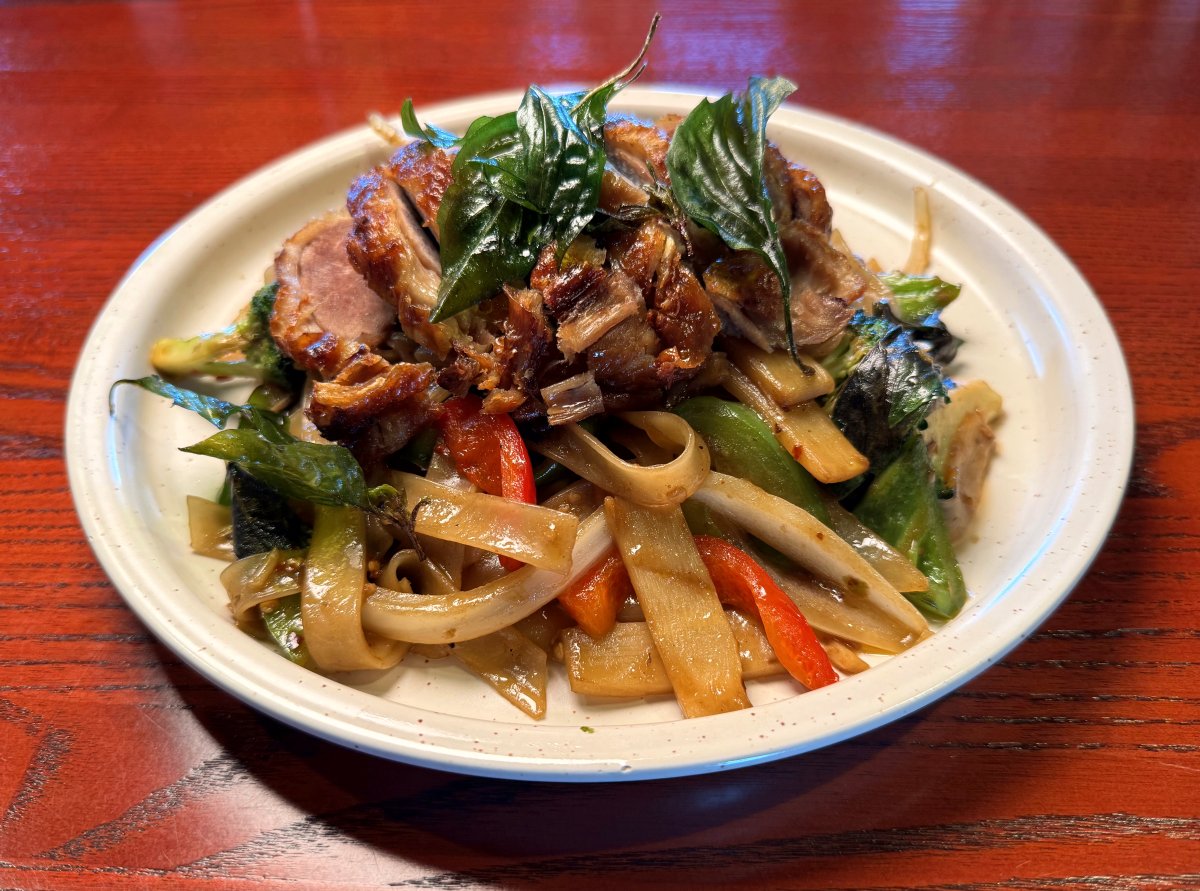
Drunken Noodles reward a cook who pays attention. The dish is fast, loud, fragrant, and slightly unruly in the best way. Wide rice noodles catch glossy sauce, basil releases its perfume the moment it hits the pan, and a little heat wakes up everything else on the plate. What often gets overlooked, though, is how well this dish responds to the seasons. The usual versions lean heavily on protein and sauce, but when fresh vegetables are chosen with care, Drunken Noodles gain color, texture, and a cleaner, brighter finish.
That matters because this is not a delicate noodle dish. It has swagger. Soy sauce, oyster sauce, garlic, chiles, and basil all push forward. If the vegetables are watery, tired, or cut without thought, they disappear. If they are in season and cooked with intent, they become more than filler. They balance the richness, absorb the sauce without collapsing, and make the bowl feel complete rather than heavy.
I have cooked versions of Drunken Noodles in cramped home kitchens with weak burners and in professional settings with fierce heat. The principles hold either way. You need noodles with the right texture, a sauce that tastes bold even before it meets the pan, and vegetables that can stand up to intense cooking for a short burst of time. Once those pieces are in place, the dish becomes flexible enough to follow the market rather than a rigid recipe.
What makes Drunken Noodles distinct
Drunken Noodles, often associated with the Thai dish pad kee mao, are defined less by a single strict formula and more by a recognizable character. They are savory, spicy, aromatic, and usually built around broad rice noodles that offer more chew and surface area than thinner strands. The sauce tends to be darker and punchier than what many people expect from standard stir-fried noodles. Thai basil, if you can get it, is especially important because it contributes an anise-like edge that sweet basil cannot fully mimic.
Despite the name, there is not necessarily alcohol in the dish. The most common explanations are cultural and anecdotal, and none need to be treated as absolute fact. What matters at the stove is the effect. Drunken Noodles should taste lively and a little wild. They should feel like something you crave after a long day, or after one drink too many, or when you want a meal that punches above the effort it requires.
Seasonal vegetables fit naturally into that spirit. The dish is already improvisational. It likes a little contrast, a little char, a little unevenness from the heat. Tender spring vegetables behave differently from dense autumn ones, but both can work if the cook respects how quickly each ingredient cooks.
The case for seasonal vegetables
Seasonal cooking is not only about virtue or trend. It changes the plate in tangible ways. In peak season, vegetables carry more natural sweetness, stronger aroma, and better texture. A summer zucchini cut on the bias holds its shape and browns around the edges. A winter cabbage softens into the sauce and turns silky while still keeping some bite. Spring asparagus, sliced into short lengths, brings a grassy snap that lightens the whole dish.
There is also a practical advantage. Drunken Noodles cook quickly, often in less than ten minutes once the pan is hot. That pace exposes weak ingredients. Out-of-season vegetables that have traveled too long or sat too long in cold storage release water and flatten the sauce. Better produce can take the heat.
When I teach people to make stir-fried noodles, I usually tell them to think in terms of contrast. You want at least one soft element, one crisp-tender one, and one aromatic element that blooms at the end. In this dish, the noodles are the soft element. Seasonal vegetables should bring the rest. A mix like broccoli and bell pepper can work, but it is even better when adjusted to the time of year. Snap peas in spring, eggplant in summer, mushrooms in fall, and sturdy greens in winter all create different but equally convincing versions.
Building a version that tastes fresh, not confused
The trap with vegetable-forward Drunken Noodles is trying to use too many things at once. A market basket approach sounds generous, but too much variety muddies the flavor and makes the pan harder to manage. Three vegetables are usually enough, sometimes two. The ideal combination includes different cooking speeds and textures so the dish feels layered rather than crowded.
Here is a reliable base that can shift with the season:
- Wide rice noodles, fresh or dried and soaked
- Garlic, fresh chiles, soy sauce, oyster sauce, and a small amount of sugar
- Thai basil, or sweet basil if necessary
- Three seasonal vegetables with contrasting textures
- Neutral oil, plus optional protein such as tofu, chicken, or shrimp
That framework leaves room for judgment. In spring, I like asparagus, snap peas, and young onions. In summer, zucchini, long beans, and red bell pepper make sense, especially when basil is abundant. In cooler months, mushrooms, cabbage, and broccolini work beautifully because they stand up to high heat and dark sauce. If you are using eggplant, choose a firm variety and cook it first so it has time to brown and soften. If you are using leafy greens, add them late and expect them to collapse quickly.
The sauce should be mixed before anything goes near the stove. Stir-frying is unforgiving of hesitation. Once the garlic hits the oil, you have maybe thirty seconds before you need the next ingredient. A good baseline for two generous servings is about two tablespoons soy sauce, one tablespoon oyster sauce, one to two teaspoons sugar, and a splash of water to loosen https://finnseks940.keystonescope.com/posts/how-to-cook-restaurant-style-drunken-noodles-in-your-kitchen it. Some cooks add fish sauce. That can be excellent, especially if you want sharper salinity and depth, but it should be balanced carefully because reduced soy and oyster sauce already bring plenty of intensity.
Noodles matter more than most people think
If the noodles fail, the dish fails. This is where many home versions lose their way. Fresh wide rice noodles are excellent if you can buy them well-made and still pliable. They often come folded in sheets or cut into ribbons. If they are cold and stuck together, they need gentle separation. Microwaving them briefly or resting the package in warm water can help. Pull them apart carefully, because broken noodles do not carry the same satisfying texture.
Dried rice noodles are often more accessible and can be very good, but they should be soaked or par-cooked with restraint. The common mistake is taking them all the way to tenderness before they ever touch the pan. They then turn gummy, split, or clump into a paste when the sauce is added. I prefer to undercook them slightly. They should still feel a little firmer than ready-to-eat pasta because they will finish in the wok or skillet.
There is an edge case worth mentioning. If your pan does not run especially hot, slightly softer noodles can sometimes be easier to manage because they finish cooking before the vegetables overcook. This is one of those moments where rigid rules are less useful than observation. If your stovetop is modest, compensate by cooking in smaller batches and keeping the noodles a touch more hydrated. If your burner is strong, keep the noodles firmer and trust the pan.
Choosing vegetables by season, with some judgment
Spring asks for restraint. Tender vegetables need only a fast toss. Asparagus should be cut into pieces that match the noodles, roughly two inches long. Snap peas can go in whole if small, or halved on a sharp diagonal if large. Scallions or spring onions lend sweetness without the density of mature onions. The overall effect should be green, lively, and fragrant.
Summer can carry more weight. Zucchini, peppers, and green beans are obvious choices, but this is also the season for using eggplant if you are willing to give it proper attention. Eggplant loves oil and can become greasy if crowded. Brown it first, remove it, and return it near the end. Cherry tomatoes can work in tiny amounts, though I use them sparingly because they soften so fast that they can turn the sauce loose. A handful of basil in midsummer often tastes stronger and more peppery than basil in colder months, which gives the dish extra lift.
Autumn and winter call for vegetables with backbone. Cabbage is one of the best options in the entire year because it chars at the edges, softens just enough, and picks up sauce without disappearing. Mushrooms add savoriness and can even stand in for meat if seared properly. Broccolini, Chinese broccoli, or even regular broccoli florets sliced small all bring pleasant bitterness that balances sweet and salty sauce. Carrots can be used, but they need to be shaved thin or cut into matchsticks, otherwise they stay too hard by the time the noodles are done.
A useful rule is to avoid combining too many vegetables that release water. Zucchini and mushrooms together can be delicious, but only in a hot enough pan and with enough room to evaporate moisture quickly. If the pan steams, the noodles lose their characteristic edge.
The heat, the pan, and the rhythm
People often focus on ingredients and forget timing. Drunken Noodles are a rhythm dish. The pan should be hot before the oil goes in. The sauce should be mixed. The vegetables should be cut. The noodles should be separated. Basil should be washed, dried, and within reach. If you pause to prep in the middle, the pan cools, the garlic burns, and the whole thing tastes flatter.
A wok is wonderful, but not mandatory. A large skillet, especially one with decent heat retention, can produce excellent results. What matters more is surface area and confidence. Crowding is the real enemy. If you need to cook two servings in two rounds, do it. Restaurant-style stir-fries rely on high heat and speed, and a small home pan packed to the rim simply cannot mimic that.
There is also a subtle but important point about aromatics. Garlic and chiles should hit the oil only long enough to become fragrant. You are not making garlic chips. Once they color too deeply, the bitterness carries through the whole dish. Basil goes in at the very end, just long enough to wilt and perfume the noodles. It should smell bright, not tired.
A method that works in a home kitchen
For two to three servings, this is the sequence I trust most:
- Mix the sauce, prepare the noodles, and cut all vegetables into pieces that cook in roughly the same short window.
- Heat a large wok or skillet until very hot, add oil, then briefly stir-fry garlic and chiles before adding the vegetables that take longest.
- Add quicker-cooking vegetables next, then the noodles and sauce, tossing fast so the noodles absorb flavor without breaking apart.
- Fold in basil at the end, taste immediately, and adjust with a splash of soy sauce, water, or a pinch of sugar if needed.
- Serve right away, while the noodles are glossy and the vegetables still have shape.
That sequence looks simple because it is simple, but every stage contains a choice. If the vegetables begin to char before they soften, a tablespoon of water can help. If the noodles clump, a little more oil or a splash of warm water loosens them. If the sauce tastes harsh, the fix is often not more sugar but more basil or a touch more water to distribute seasoning evenly.
One mistake I see often is stirring too timidly. Wide rice noodles are fragile, so people baby them. Gentle handling is good, but fear is not. Use a lifting and folding motion, turning from the bottom so sauce gets distributed. If you leave them sitting, they stick and scorch.
How to keep fresh flavor at the center
Fresh flavor in Drunken Noodles does not mean bland flavor. It means the vegetables still taste like themselves. The asparagus should taste green, the mushroom earthy, the cabbage sweet at the core. The sauce should support those notes, not flatten them into generic saltiness.
That balance depends on restraint in three areas. First, sugar should be present but not obvious. A little sweetness rounds the edges of soy and chile, but too much makes the dish sticky and heavy. Second, oil should be enough to coat, not enough to pool. Third, basil should be generous. If you hold back, the dish often tastes darker and duller than it should.
I also like to finish with a brief taste for acidity, even though many standard versions do not lean hard in that direction. Sometimes a squeeze of lime is wrong, especially if it pushes the dish toward a pad Thai profile. Sometimes it is exactly what a summer vegetable version needs. This is where experience matters. If the vegetables are especially sweet, a few drops can sharpen the whole bowl. If the sauce is already assertive and the basil vibrant, skip it.
Protein is optional, but technique changes when you add it
A vegetable-focused plate of Drunken Noodles does not need meat to feel substantial. Wide noodles and well-cooked vegetables already give plenty of body. Still, many cooks want a protein, and that is perfectly compatible with the dish.
Chicken should be sliced thin so it cooks in under two minutes. Shrimp need even less time and should be added late to avoid turning rubbery. Tofu works particularly well with seasonal vegetables, but it should be pressed and browned first. Soft tofu tends to break apart in this preparation unless handled very carefully. Crispy tofu cubes, by contrast, absorb sauce beautifully and add textural contrast.
Whenever protein enters the pan, batch cooking becomes more important. Sear the protein, remove it, then build the vegetables and noodles, returning the protein near the end. That extra step keeps the pan hot and prevents the vegetables from steaming in meat juices.
Common problems, and how to recover
A watery pan is the most common failure. It usually comes from too many vegetables, a pan that was not hot enough, or noodles that carried too much soaking water. The recovery move is to keep cooking over high heat and resist the urge to drown everything in extra sauce. More sauce rarely fixes a wet stir-fry. It usually makes it saltier and looser.
Broken noodles often come from over-soaking or over-aggressive stirring. If the noodles are already fragile, let them sit in the sauce for a few seconds before tossing. They soften enough to move more cohesively.
A dish that tastes flat despite plenty of sauce often lacks basil, heat, or proper browning. Salty is not the same as flavorful. A small handful of fresh basil and another quick thirty seconds over high heat can sometimes do more than another spoonful of soy sauce.
If the vegetables stay too raw while the noodles overcook, the cuts were probably too large. This is especially true with broccoli stems, carrots, and thick asparagus. In stir-frying, knife work is cooking. The shape of the cut determines whether the pan can do its job in time.
Serving and pairing without overcomplicating it
Drunken Noodles are best the moment they leave the pan. That is true of many stir-fries, but especially true here because the noodles continue absorbing sauce and the basil loses its top note as it sits. A warm plate helps. So does serving family-style straight from a platter rather than packing the noodles into deep bowls where steam softens everything further.
On the side, I keep things simple. A crisp cucumber salad works because it cools the palate without competing. So does plain sliced cucumber with a little salt. If you have used especially rich vegetables, like eggplant and mushrooms together, a sharper side can help. If the dish is spring-forward and green, it may need nothing else.
Leftovers are never quite the same, though they can still be good. Reheat in a skillet, not a microwave if you can avoid it. A splash of water loosens the sauce. Add a few fresh basil leaves at the end to wake it up. You will not recreate the first-night texture, but you can get close enough for a very respectable lunch.
Why this version earns a place in regular rotation
The best home dishes are not always the most elaborate ones. They are the ones that absorb small changes gracefully. Drunken Noodles do exactly that. They can be sharper and greener in April, fuller and more aromatic in August, darker and more grounding in November. The framework stays recognizable, but the mood shifts with the produce.
That is what makes seasonal vegetables more than a health-minded add-on. They change the dish in ways that are both practical and sensory. They lighten it when the weather is hot, give it heft when the weather cools, and keep it from becoming a one-note tangle of noodles and sauce. If you already love Drunken Noodles, this approach broadens the dish without diluting its identity. If you have only had heavy takeout versions, it can be a revelation.
Once you learn the pattern, you stop depending on a single recipe. You start reading the market and the pan. You notice that broccolini wants a bit more char, that zucchini needs room, that mushrooms should be left alone long enough to sear, that basil can rescue a dish that seems almost there but not quite. Those are the details that make a stir-fry memorable.
A bowl of Drunken Noodles with seasonal vegetables should feel bold, glossy, and alive. It should smell of basil and garlic the moment it hits the table. The noodles should be supple, the sauce assertive, and the vegetables unmistakably fresh. That combination is not difficult, but it does ask for attention. Give it that, and the dish gives back far more than the short cooking time suggests.
Nakhon Luang Thai Kitchen
Address: 805 Village Center Dr, Colorado Springs, CO 80919
Phone number: +17195315175
FAQ About Drunken Noodles
What makes it drunken noodles?
Drunken noodles, or Pad Kee Mao, get their name from the Thai word khi mao (meaning "drunkard"). They contain no alcohol. The name comes from the idea that the dish is a popular late-night meal to cure a hangover or a great food to eat with a cold beer.
What is the difference between pad see ew and drunken noodles?
While both Pad See Ew and Drunken Noodles use the same wide rice noodles, Pad See Ew is a mild, sweet-savory dish made with dark soy sauce and Chinese broccoli, whereas Drunken Noodles (Pad Kee Mao) are fiery, garlicky, and herbaceous with fresh chilies and Thai basil.
What are traditional drunken noodles?
Traditional drunken noodles, known as Pad Kee Mao in Thai, are a fiery, savory street food stir-fry made with wide flat rice noodles, fresh garlic, lots of hot chilies, meat or tofu, and fragrant holy basil. Despite the name, they contain no alcohol; the dish is traditionally eaten late at night or as a hangover cure because the intense spice helps clear the head.