Spicy Drunken Noodles: A Flavor-Packed Thai Favorite
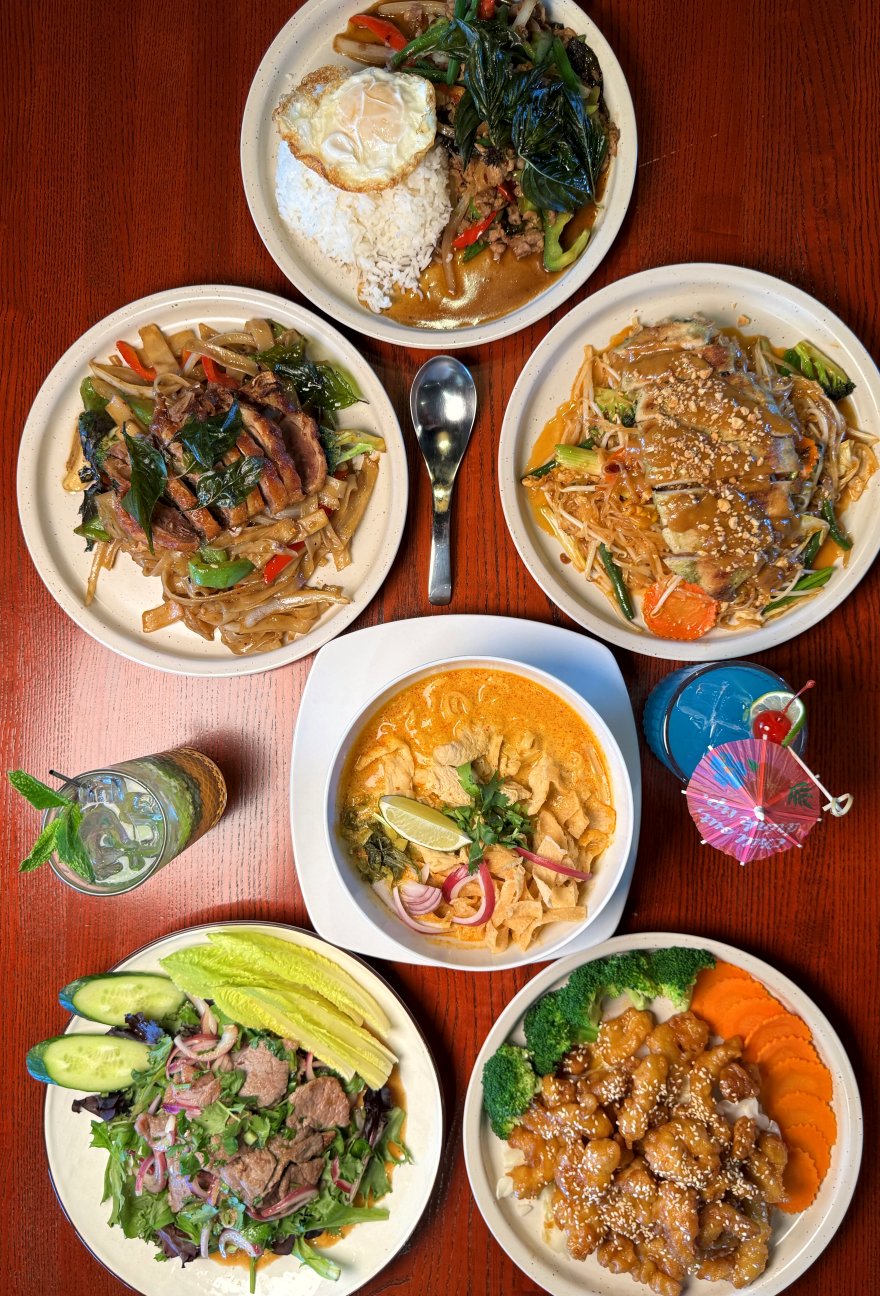
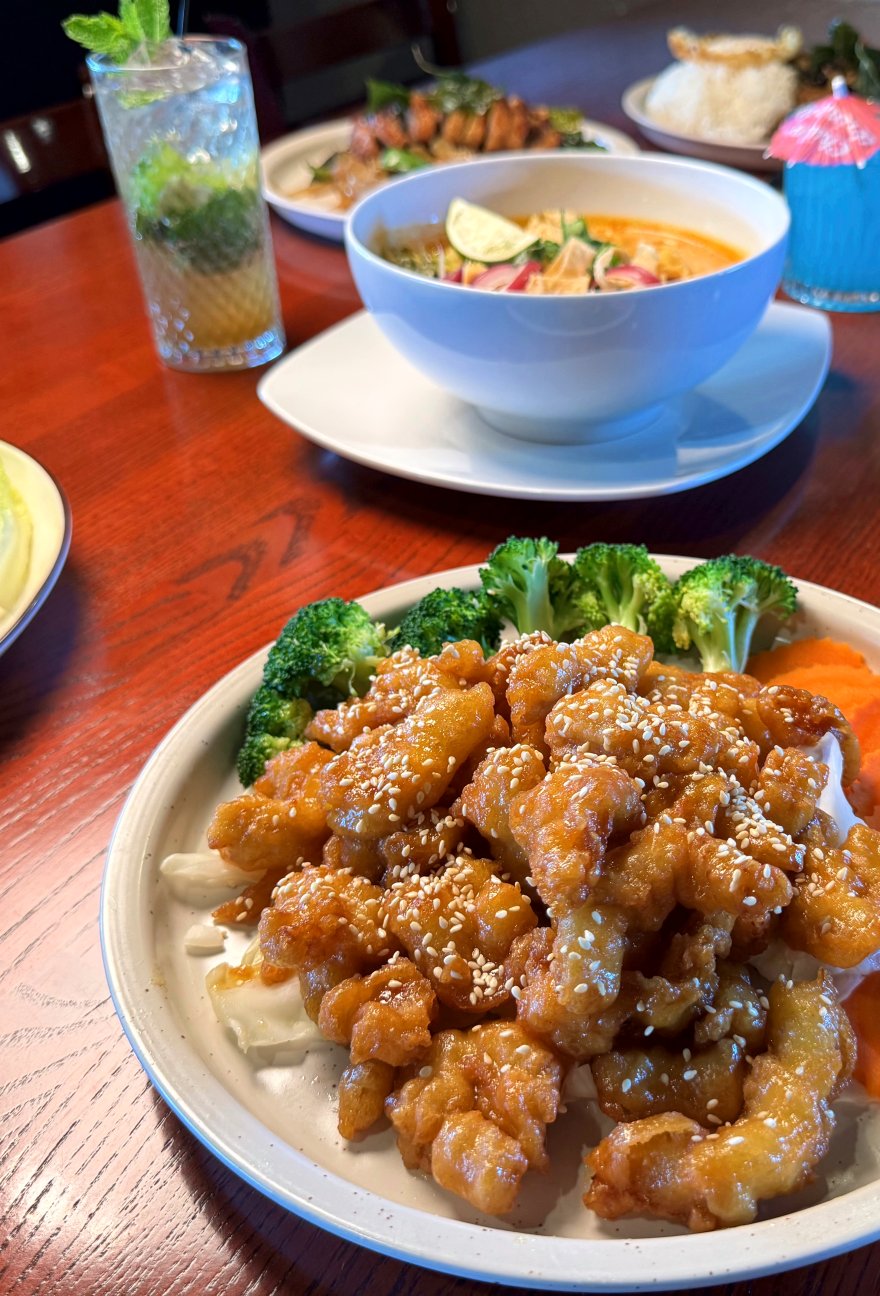

There are dishes that win people over with elegance, and then there are dishes that grab your attention from the first bite and never really let go. Drunken Noodles belongs firmly in the second camp. Known in Thai as pad kee mao, this is the kind of food that arrives steaming hot, smelling of garlic, fresh chilies, sweet basil, and sauce clinging to wide rice noodles. It feels bold before you even lift your chopsticks or fork.
Despite the name, Drunken Noodles is not typically made with alcohol. The title has a few stories attached to it, depending on who is telling them. One version suggests the dish is so spicy it is best eaten with a cold drink in hand. Another says it is the ideal late-night meal after drinking, quick to cook and intense enough to wake up a tired palate. Both explanations make a certain kind of sense. The dish is fiery, savory, a little sweet, and deeply aromatic. It tastes like something designed for cravings.
For cooks outside Thailand, Drunken Noodles can also be misunderstood. Restaurant versions vary wildly. Some are sweet and tame, almost glossy enough to pass for a noodle stir-fry from any takeout menu. Others lean hard into heat and funk, with fish sauce and chili driving the whole plate. A good version finds balance. It should be lively rather than blunt, spicy but not one-note, rich without feeling heavy. When it is done well, every part of the dish supports the rest.
What makes Drunken Noodles distinct
At a glance, Drunken Noodles can resemble other Thai noodle dishes. It shares some DNA with pad see ew and even a little with pad thai, at least from the perspective of someone scanning a menu quickly. But once you taste it, the differences are immediate.
The noodles are usually broad rice noodles, either fresh or soaked dried noodles if fresh are unavailable. Their width matters. They hold sauce well, they char at the edges if the pan is hot enough, and they give the dish that slippery, satisfying bite that thinner noodles cannot quite match. The sauce is darker and more assertive than what many diners expect from Thai noodle dishes. Oyster sauce often provides body, soy sauce gives salinity and color, fish sauce sharpens the flavor, and sugar smooths the rough edges. Then comes the heat, usually from fresh Thai chilies, and the defining herbal note, Thai basil.
That basil deserves special attention. Without it, the dish loses one of its signatures. Thai basil has a peppery, faintly anise-like aroma that stands up to the sauce and chilies. Italian sweet basil can work in a pinch, but it changes the personality of the dish. It becomes softer and less pointed. Not bad, just different.
Texture matters just as much as flavor. Good Drunken Noodles should not be soupy. They should not sit in a puddle. The sauce needs to coat, not drown. The vegetables, often Chinese broccoli, long beans, onions, or bell peppers, should stay crisp enough to provide contrast. The protein, whether chicken, beef, shrimp, tofu, or pork, should blend into the dish rather than dominate it. This is a noodle dish first.
Why restaurant versions can feel inconsistent
If you have ordered Drunken Noodles from five different places, you may have eaten five recognizably related but noticeably different meals. That is normal. Thai cooking, especially in restaurant settings outside Thailand, is shaped by local ingredients, local tastes, and speed.
One kitchen may use dark soy generously for color and sweetness, creating a deeper, richer sauce. Another may emphasize fish sauce and chilies, producing something brighter and sharper. Some cooks add baby corn, carrots, or broccoli because those vegetables are easy to source and hold up well in a wok. Traditionalists might prefer Chinese broccoli and fewer add-ins. Heat levels also vary dramatically. “Medium spicy” in one restaurant can be gentler than “mild” in another.
There is also the issue of wok hei, that lightly smoky flavor that comes from very high-heat stir-frying. Professional burners can produce intense heat that most home stoves simply cannot match. That is one reason a restaurant plate can taste more charred and integrated than a home version, even when the sauce ingredients are nearly identical. At home, you can still make excellent Drunken Noodles, but the method has to compensate for less power. Smaller batches and patience matter more than people think.
The flavor balance that makes it work
One of the reasons Drunken Noodles has such broad appeal is that it hits several flavor notes at once. It is spicy, yes, but the best versions are not just about heat. They also deliver salt, sweetness, umami, and the fresh lift of herbs. Thai cooking often relies on balance, and this dish is a perfect example of that principle in action.
If the sauce is too sweet, the noodles taste flat and sticky. If it is too salty, the basil and vegetables disappear under the weight of the seasoning. If the chilies are overdone, everything becomes punishment rather than pleasure. A small amount of sugar is not there to make the dish sugary. It is there to round out the fish sauce and soy. Oyster sauce adds body and a subtle sweetness, but too much can make the dish heavy. Garlic should be obvious, but not scorched. Basil should perfume the dish at the end, not cook down into nothing.
This is why experienced cooks rarely treat Drunken Noodles as a dump-and-stir recipe. There is timing involved. Aromatics go in first. Protein needs enough heat to color. Vegetables should keep some structure. Sauce should reduce quickly. Noodles should be folded through gently enough that they do not break apart, but firmly enough that they pick up the sauce. Basil gets tossed in at the end, often with the heat still high, so it wilts just enough and releases its aroma into the steam.
The noodles themselves are half the story
Wide rice noodles can be beautiful to work with, and they can also be maddening. Fresh noodles often come folded or packed tightly together, and if they are cold, they tend to stick and tear. Dried noodles are more accessible for many home cooks, but they require careful soaking or boiling. Overdo that step and they turn mushy in the pan.
When I have made Drunken Noodles in home kitchens with average electric or gas burners, the biggest mistake has almost always been overcrowding. People try to cook four servings at once because it feels efficient. The pan cools, the noodles steam, and suddenly the dish tastes watery. Two servings per batch is far safer. You get better caramelization, the sauce reduces properly, and the vegetables keep their edges.
Fresh wide rice noodles are ideal if you can buy them from an Asian market with good turnover. Let them come closer to room temperature before separating them. A little oil on your hands helps if they are stubborn. If you are using dried noodles, aim for slightly underdone before they hit the wok. They should finish cooking in the sauce rather than arrive fully tender beforehand.
A quick checklist helps here:
- Use wide rice noodles, fresh if possible.
- Keep batches small so the pan stays hot.
- Undercook dried noodles slightly before stir-frying.
- Add basil at the very end.
- Taste the sauce before it hits the pan if you are trying a new ratio.
That last point matters more than it seems. Fish sauce brands differ. Soy sauces vary in saltiness and sweetness. Oyster sauce can be delicate or quite assertive depending on the bottle. Five seconds of tasting can save a whole pan.
Choosing the right heat level
Spice tolerance is personal, and Drunken Noodles has a reputation that can intimidate people. It should absolutely have a kick, but there is no rule saying every plate must be punishingly hot. In fact, an excessively spicy version often tastes less complex because heat drowns out the basil and sauce.
Thai bird’s eye chilies are common in many versions, and they bring quick, direct heat. Serranos can work if bird’s eye chilies are hard to find, though the flavor is a bit different. Jalapeños are milder and greener tasting, which can be useful if you want a friendlier version for a mixed table. Dried chili flakes sometimes appear in restaurant kitchens because they are easy to control, but fresh chilies usually create a brighter result.
My general advice is to start lower than your ego suggests. It is easier to add heat than remove it. For a home pan serving two people, two or three chopped small chilies can be plenty if they are hot. Four to six pushes the dish into more traditional spicy territory, depending on the chilies and your tolerance. Seeds matter, but not as much as people assume. The membranes carry much of the burn.
Protein options, and why none of them should overshadow the noodles
Chicken is probably the most common restaurant choice, and with good reason. Thinly sliced thigh meat stays juicy and takes well to the sauce. Beef works especially well if cut against the grain and cooked fast over high heat. Shrimp brings sweetness and cooks quickly, but it can overcook in seconds, so timing has to be precise. Tofu is excellent in Drunken Noodles if pressed well and browned first. Pork, especially sliced shoulder or tenderloin, gives the dish extra richness.
Still, the protein should remain in proportion. This is not a steak dinner chopped into noodles. A modest amount goes further than many people expect because the sauce is so robust. Around four to six ounces per serving is usually enough. More than that and the balance starts to tilt away from what makes the dish satisfying.
There is also a practical reason not to overload the pan with meat. Extra protein releases moisture, and moisture is the enemy of a good stir-fry unless your heat is extremely high. That is one of those small details that separates a decent noodle dish from a compelling one.
Vegetables that belong, and those that can crowd the plate
Chinese broccoli, sometimes labeled gai lan, is probably the vegetable most closely associated with Drunken Noodles. It has enough bitterness and crunch to offset the richness of the sauce. The stems stay crisp if sliced thinly, and the leaves wilt in a way that blends naturally with the basil.
Onions are common and useful, especially when sliced into wedges that soften at the edges but stay a little firm in the center. Bell peppers bring sweetness and color. Long beans add a pleasant snap. Baby corn appears often in restaurant versions, mostly for texture and convenience.
Where cooks can go wrong is treating Drunken Noodles like a refrigerator clean-out. Mushrooms, zucchini, snow peas, carrots, broccoli florets, and cabbage can all be tasty in stir-fries, but too many additions muddy the identity of the dish. The pan becomes crowded, the flavors blur, and the noodles no longer lead. A little restraint pays off.
The home-cooking method that produces the best results
Home cooks often assume the secret lies in a perfect sauce ratio, but the pan work matters just as much. Drunken Noodles comes together fast. If you stop to slice basil after the garlic is already in the oil, you are behind. This is a mise en place dish, meaning everything should be cut, measured, and within reach before the burner goes on.
Heat the pan until it is properly hot, then add oil. Garlic and chilies go in first, and only briefly. Burned garlic turns the whole dish bitter. Protein follows, and it should be spread out enough to sear rather than pile up. Vegetables go in next, usually stems before leaves if you are using Chinese broccoli. Sauce gets poured around the pan rather than directly onto one cold spot in the center, which helps it hit the heat and reduce quickly. Noodles go in once the sauce is bubbling. They need tossing and folding, not frantic stirring that snaps them apart. Basil is last, and once it wilts, the dish should come off the heat.
If your stove is weak, do not be afraid to cook the protein first, remove it, then finish the noodles and vegetables before returning the meat to the pan. Some cooks consider this less elegant than a one-pan toss, but elegance is irrelevant if the final dish is steamed and pale. Good judgment beats rigid technique every time.
Common mistakes that flatten the dish
Most failed versions of Drunken Noodles fall into a few predictable traps. They are easy to avoid once you know what to watch for.
- Too much sauce, which turns stir-fried noodles into something wet and heavy.
- Noodles that are overcooked before they ever hit the pan.
- A pan that is overcrowded, causing steaming instead of browning.
- Basil added too early, losing its fragrance.
- Heat used as a blunt instrument, drowning out the savory and herbal notes.
The remedy is not expensive equipment or rare ingredients. It is control. Stir-frying rewards preparation and confidence. Once the food starts moving, you have very little time to correct course.
A note on authenticity, and why the discussion can miss the point
Authenticity debates around Thai food often become rigid very quickly. People want a definitive version, one correct formula. Real cooking is messier than that. Regional variation exists. Restaurant adaptation exists. Ingredient substitution happens even in excellent kitchens when supply shifts or customer preferences shape the menu.
That said, not every adaptation preserves the spirit of a dish. Drunken Noodles should still feel fiery, aromatic, and noodle-forward. It should still carry the interplay of soy, fish sauce, oyster sauce, garlic, chilies, and https://www.google.com/maps?cid=10337779433515689724 basil. If a version is so sweet it resembles candy-coated takeout noodles, or so overloaded with vegetables that the noodles become secondary, it may still be enjoyable, but it starts to drift from the character that made the dish popular in the first place.
The most useful way to think about authenticity is not as a policing tool, but as a guide to intention. What is the dish trying to be? If you understand that, you can improvise intelligently.
Serving Drunken Noodles well
This is not a dish that wants to sit around. Drunken Noodles is best eaten moments after cooking, when the basil still perfumes the steam and the noodles have not had time to clump or absorb every last drop of sauce. It does not need much beside it. A wedge of lime can brighten the plate, though not every version includes one. Extra chili vinegar or fish sauce with sliced chilies may appear at the table in Thai restaurants, letting diners adjust to taste.
If you are building a meal around it, keep the rest simple. Something crisp and cool helps. A cucumber salad works. So does a light soup or a platter of fresh herbs and lettuce. What you do not want is another heavy, sweet stir-fry competing for attention.
Leftovers can be decent, but they are never quite the same. Rice noodles tighten as they cool, and basil loses much of its character on reheating. If you must reheat, do it quickly in a hot pan with a small splash of water, not in a microwave for several minutes.
Why the dish keeps earning loyal fans
Part of the appeal is obvious. Drunken Noodles delivers immediate pleasure. It is spicy, saucy, aromatic, and deeply satisfying. But there is more to its staying power than simple intensity. It is a dish that feels generous without being fussy. It can adapt to different proteins and vegetables. It can be weeknight food or restaurant food. It can be comfort food for someone who grew up eating Thai stir-fries, and a thrilling discovery for someone trying the cuisine more broadly.
It also rewards attention. The more you cook or eat it, the more you notice the details: the slight char on the noodle edges, the way basil lifts the richer notes, the usefulness of bitterness from Chinese broccoli, the difference between heat that is sharp and heat that is deep. These are not academic observations. They are the reasons one plate disappears in minutes while another is left half-finished.
At its best, Drunken Noodles tastes confident. It does not apologize for its spice or soften its edges too much. It knows exactly what it is supposed to do. For anyone who loves Thai food, that certainty is part of the charm. For anyone cooking at home, it is also what makes the dish so satisfying to chase. Once you get the balance right, once the noodles catch the sauce properly and the basil blooms at the last second, you understand why this plate has become a favorite far beyond Thailand. It is loud in the best way, and memorable for all the right reasons.
Nakhon Luang Thai Kitchen
Address: 805 Village Center Dr, Colorado Springs, CO 80919
Phone number: +17195315175
FAQ About Drunken Noodles
What makes it drunken noodles?
Drunken noodles, or Pad Kee Mao, get their name from the Thai word khi mao (meaning "drunkard"). They contain no alcohol. The name comes from the idea that the dish is a popular late-night meal to cure a hangover or a great food to eat with a cold beer.
What is the difference between pad see ew and drunken noodles?
While both Pad See Ew and Drunken Noodles use the same wide rice noodles, Pad See Ew is a mild, sweet-savory dish made with dark soy sauce and Chinese broccoli, whereas Drunken Noodles (Pad Kee Mao) are fiery, garlicky, and herbaceous with fresh chilies and Thai basil.
What are traditional drunken noodles?
Traditional drunken noodles, known as Pad Kee Mao in Thai, are a fiery, savory street food stir-fry made with wide flat rice noodles, fresh garlic, lots of hot chilies, meat or tofu, and fragrant holy basil. Despite the name, they contain no alcohol; the dish is traditionally eaten late at night or as a hangover cure because the intense spice helps clear the head.