The Essential Guide to Eating Jamaican Food Like a Local
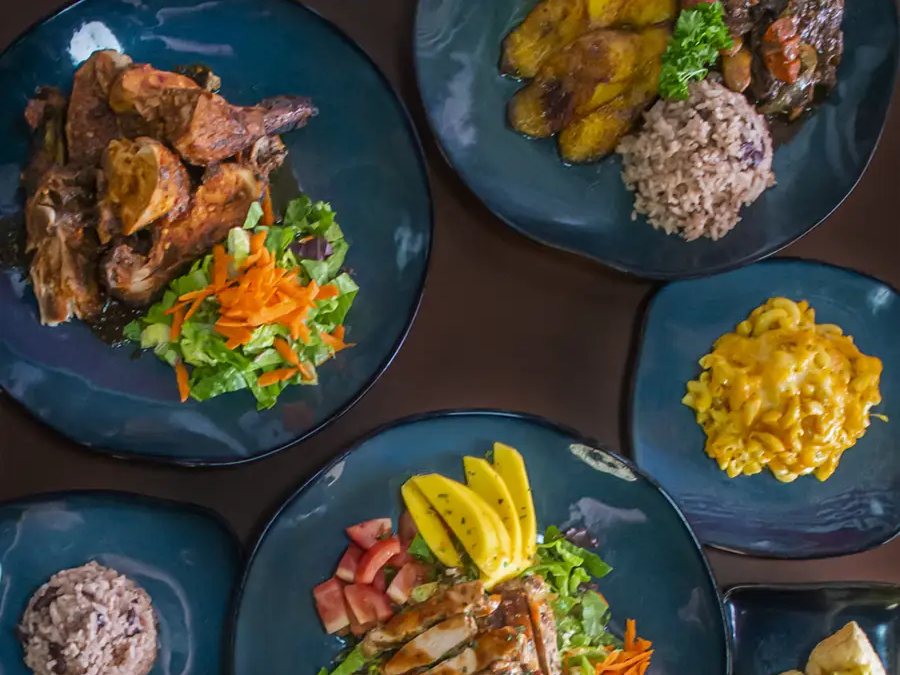

Jamaican food rewards curiosity. It is bold without trying to impress, rooted in memory, and built from habits that make sense once you spend time around a cookshop, a roadside grill, or a Sunday family table. The first mistake many visitors make is treating it like a checklist cuisine, something to conquer dish by dish. Locals do not approach it that way. They eat by time of day, by neighborhood, by mood, by weather, and by trust. They know which places are worth a detour for soup at noon, where the jerk pan starts smoking long before lunch, and when a patty is a quick fix versus a full meal.
If you want to eat Jamaican food like a local, it helps to understand that the food is not just about heat or seasoning, though both matter. It is about rhythm. Breakfast is serious. Lunch can be practical or celebratory. Late evening food often comes from a pan, a pot, or a corner spot with a queue that tells you more than any online review ever could. Even within one town, the same dish can shift depending on who made it, what was fresh, and how much time they had.
The best approach is simple. Slow down, ask a few smart questions, and let the place guide you. Jamaican food is generous to people who show respect.
Start with how Jamaicans actually eat
A local eye notices context first. Is this a bakery, a jerk center, a small cookshop, or a beachside stall with steam fogging the display case? Each one suggests a different kind of meal. You would not walk into a bakery at 8:00 in the morning expecting curry goat, just as you would not show up at a soup spot after the lunch rush and expect the pot to still be full.
Breakfast in Jamaica is often heartier than outsiders expect. Saltfish and ackee, callaloo, boiled green banana, fried dumpling, roast breadfruit, and porridge are not special occasion foods. They are real breakfast, the kind that can carry someone through work until afternoon. A visitor used to coffee and toast sometimes underestimates this and orders too much too early. The smarter move is to accept that portions can be substantial and build your day around them.
Lunch opens wider possibilities. Rice and peas with chicken, curried meats, stewed fish, or an escovitch plate all make sense. So does a beef patty and coco bread if you are moving around and want something quick. By evening, jerk often becomes the center of gravity. The smell alone can pull traffic off the road.
Eating locally also means accepting that availability matters. If a dish is sold out, that usually means people trusted it enough to finish it. Do not take it as a failure of service. Take it as information.
The dishes that teach you the most
You do not need to eat everything, but a few staples reveal the logic of Jamaican cooking better than any food tour script ever could. Ackee and saltfish is the obvious place to begin, not because it is the national dish, but because it explains balance. Properly cooked ackee is soft and delicate, almost buttery in texture. Saltfish brings the briny backbone. Onion, tomato, scallion, thyme, and Scotch bonnet build the rest. If it is oily, oversalted, or mashed into a scramble, it has been handled carelessly. When it is right, the dish feels light and satisfying at the same time.
Jerk chicken teaches fire management and patience. Real jerk is not simply grilled chicken with spicy sauce. It is seasoning worked into the meat, then cooked over pimento wood or with smoke that gives depth as much as heat. The outside should show char in patches, not uniform blackness. The inside should stay juicy. If a vendor chops the meat to order and the board carries years of seasoning in its stain, you are usually in good hands.
Curry goat tells you a lot about a kitchen’s discipline. Good curry goat is tender but not collapsing, deeply seasoned but not muddy, with gravy that clings to rice rather than flooding it. Goat needs time. A rushed version tastes flat and chewy. A proper one carries garlic, ginger, curry powder, thyme, and allspice in a way that feels fused rather than layered on top.
Then there is brown stew chicken, perhaps one of the least flashy and most reliable dishes in Jamaican food. It is the kind of plate locals order without fuss because they know what it can be when handled well. The chicken is seasoned, browned, then simmered with onion, sweet pepper, carrot, ketchup or browning, scallion, and herbs until the sauce turns rich and savory with a little sweetness at the edges. If you want to judge whether a modest cookshop knows what it is doing, this dish is a fair test.
Soup deserves more respect than many visitors give it. Saturday soup in particular can draw a crowd, whether it is red peas soup, chicken foot soup, or mannish water depending on the region and the cook. These are not delicate broths. They are full-bodied, practical, nourishing soups with root vegetables, dumplings, and serious flavor. They sit somewhere between a meal and a ritual.
How to read a menu without overthinking it
Many Jamaican spots, especially smaller ones, do not expect you to need a detailed explanation of every item. That can make first-timers hesitate. The trick is to ask focused questions rather than broad ones. “What is freshest today?” works. “What sells out first?” is even better. Those questions respect the kitchen’s reality.
When you see “rice and peas,” know that peas usually means kidney beans or gungo peas, depending on the preparation and season, cooked with rice in coconut milk and herbs. It is not the green pea side dish some visitors imagine. “Ground provisions” refers to starchy staples such as yam, green banana, cassava, or coco. “Festival” is a lightly sweet fried dough, often served with fish or jerk. “Provision” on a breakfast menu usually means boiled starches and vegetables, not a random side.
If spice worries you, ask whether a dish is “peppery” rather than simply “spicy.” In Jamaican kitchens, heat often comes from fresh Scotch bonnet, which behaves differently from dried chili flakes or bottled hot sauce. A dish may be well seasoned and aromatic without being aggressively hot. At the same time, if someone tells you a sauce is sharp, believe them. Scotch bonnet can be fruity for about two seconds before it reminds you who is in charge.
Street food, cookshops, and restaurants all play different roles
One reason Jamaican food feels alive is that it is not confined to a single dining format. You can eat brilliantly from a roadside drum pan, a takeaway counter, a family-run lunch room, or a polished dining room. Each has strengths.
Street food is often where you find immediacy. Jerk, roasted corn, roasted yam, soup, patties, and fried fish can all be at their best in informal settings. You are paying less for decor and more for turnover, timing, and repetition. A roadside jerk man who has been handling the same pan for fifteen years may understand his fire better than a younger chef with a modern smoker and a social media team.
Cookshops tend to offer the everyday backbone of Jamaican eating. Steam table lunches, breakfast plates, soups, and stews live here. These places matter because they feed workers, students, drivers, and regulars who return not for novelty but for consistency. The best ones usually have a rhythm to service. Orders move fast. Staff may sound brisk. That is not rudeness. It is pace.
Restaurants have their place, especially when they treat traditional dishes with care rather than trying to “elevate” them into unrecognizable versions. There is nothing wrong with white tablecloths or plated callaloo. The question is whether the soul of the dish survives. Too much refinement can flatten Jamaican food. This cuisine likes edges, smoke, gravy, texture, and generosity.
What locals notice before they order
A seasoned diner often decides whether to eat somewhere within two minutes. The signs are rarely glamorous. They are practical.
- Look at turnover. A steady line, especially of repeat customers, matters more than decor.
- Notice steam, smoke, and smell. Fresh cooking has a different energy from food that has been sitting.
- Watch how staff handle regulars. Familiarity often signals trust built over time.
- Check what is nearly gone. Fast-selling dishes usually earn that status.
- Pay attention to side items. Good gravy, fresh slaw, proper festival, and well-cooked rice often separate solid food from forgettable food.
None of this guarantees perfection. A busy place can still have an off day. But these clues are more reliable than a glossy menu photo.
Jerk is more than a flavor
People outside Jamaica often use the word jerk loosely. On the island, the term carries method, memory, and regional argument. Every serious jerk cook has opinions about wood, marinade, timing, and whether a sauce should be brushed on or served separately. Some insist the best jerk is dry-rubbed and smoked until the seasoning penetrates. Others like a little wetness from basting during the cook. Most agree that bottled jerk sauce from a supermarket shelf tells only part of the story.
If you are standing by a jerk pan, watch the process. The meat is often turned in batches, shifted across hot and cooler zones, then chopped with bone and skin intact unless you request otherwise. That chopping matters. It exposes fresh surfaces to juices and seasoning. Many locals eat jerk with hard dough bread, festival, or roasted breadfruit, and they often want a little extra “jerk gravy” or pepper on the side. The side choices are not filler. They are there to absorb smoke, spice, and rendered fat.
Pork and chicken dominate, but fish and sausage show up too. Jerk pork can be especially rewarding because the fat carries smoke beautifully. The trade-off is that a poorly rendered piece can turn chewy. If you are unsure, ask what came off the fire most recently.
Breakfast deserves its own strategy
A smart breakfast can shape your whole experience of Jamaican food. This is where many visitors discover dishes they would never think to order at home. Cornmeal porridge, often enriched with milk and spiced with cinnamon and nutmeg, is common and deeply comforting. Peanut porridge has a richer, nuttier body. Hominy porridge brings a different texture again. These are not thin breakfasts. They are substantial, designed to sustain.
Ackee and saltfish is often paired with fried dumpling, boiled dumpling, green banana, yam, or breadfruit. The mix on the plate may look starchy, but each item has a purpose. The dumpling catches the savory juices. The banana offers mildness. The breadfruit adds creaminess without dairy. Callaloo brings an earthy green note that rounds out saltfish beautifully.
One common mistake is ordering every side that sounds interesting on one plate, then finding yourself defeated by 9:30 in the morning. Better to choose a couple of starches and really taste them. Fried dumpling and roast breadfruit, for example, tell you different stories about texture and handling. One is crisp and soft. The other is smoky and dense in the best way.
Fish is where freshness and timing really show
Seafood can be exceptional in Jamaica, but it demands good judgment. Escovitch fish is a classic for a reason. The fish, often snapper or another firm whole fish, is fried and topped with a sharp dressing of vinegar, onion, carrot, and Scotch bonnet. At its best, the flesh stays moist under crisp skin and the pickled topping cuts the richness cleanly. Eat it too long after frying and the texture dulls. This is a dish that wants prompt attention.
Steamed fish, often cooked with okra, crackers, vegetables, and broth, leans in a different direction. It is gentler, fragrant, and especially good when you want something restorative rather than heavy. Pepper shrimp, where available, can be wonderful, though quality varies widely. Freshness is non-negotiable.
At seaside spots, ask what was landed that day. If the answer is vague, proceed carefully. If a server immediately tells you the species, size, and best preparation, that is encouraging. Locals do this routinely because fish quality can swing fast in hot weather.
Sides are not an afterthought
Jamaican food gets flattened when people focus only on main proteins. The sides are where balance happens. Rice https://gunnerhzdg042.valiantfield.com/posts/authentic-jamaican-food-dishes-worth-cooking-this-weekend and peas offers creaminess from coconut milk and a soft counterweight to spicy or smoky meats. Plain white rice has its own role, especially with saucy curries or stews. Bammy, made from cassava, absorbs sauce differently than bread or dumpling. When fried properly, it has a crisp exterior and a slightly chewy center that works particularly well with fish.
Festival walks a line between bread and dessert without becoming either. Its light sweetness plays beautifully against salty fried fish or sharp escovitch vegetables. Callaloo can be silky or coarse depending on how it is chopped and cooked. Plantain, when ripe and caramelized at the edges, adds sweetness that softens heat and rounds a plate. These are not generic sides placed for color. They are structural.
A plate of jerk chicken with dry, bland rice and tired slaw is not a good jerk plate. A plate of curry goat with grainy rice and undercooked plantain tells you the kitchen is paying attention only to the headline. Locals notice.
How much heat to ask for, and when to back off
The bravado around spice usually comes from visitors, not locals. Jamaicans tend to respect pepper. They enjoy it, but they do not perform for it. Fresh Scotch bonnet can transform a dish with fragrance and brightness, yet too much can drown everything else. If you are new to it, let the base dish come first. Taste the food before adding pepper sauce. A good brown stew chicken or curried goat should stand on its own.
There is also a practical point. Pepper builds. A first bite may seem manageable, then three bites later you realize the heat is collecting. Bread, rice, or a sweet drink can help, but the easiest solution is restraint. Ask for pepper on the side if you are unsure. That is normal, not timid.
Drinks and sweets that make sense with the food
Pairings in Jamaica are often intuitive rather than ceremonial. A cold stout with jerk or curry can work beautifully because bitterness and malt stand up to spice. A light beer is common and refreshing in heat. Sorrel, especially around the holidays, brings spice and tartness. Ginger beer can be fiery in its own way and cuts through rich food well. Fresh juices and coconut water are useful when the weather is punishing.
Desserts and baked goods deserve a little attention too. Gizzada, grater cake, toto, and rum cake all speak to a baking tradition shaped by coconut, spice, and practicality. But perhaps the most everyday pleasure is still the patty. The best patties have flaky pastry, vivid filling, and enough structure to eat on the move without the whole thing collapsing. Beef may be the baseline, but chicken, vegetable, and even ackee versions can be strong depending on the bakery. A patty in coco bread remains one of the smartest cheap eats anywhere in the Caribbean.
A few small habits that help you fit in
You do not need to imitate anyone or put on a performance. Good manners and attention go a long way. Order decisively when the line is moving. If you need a minute, step aside and let the next person go. Carry cash if you are in smaller towns or roadside spots. Be realistic about portion sizes. If you want to try widely, share plates.
It also helps to understand that service style may be direct. Jamaican hospitality is real, but it does not always come wrapped in the same script some travelers expect. Staff may ask, “What you having?” rather than offering a long introduction. That is efficient, not cold. Meet it with clarity and respect.
When in doubt, these habits serve you well:
- Ask what is best today, not what is most famous.
- Accept sold-out dishes as a sign of demand, not inconvenience.
- Taste before adding extra pepper or sauce.
- Let breakfast be substantial and pace the rest of your day around it.
- Follow the smoke, the steam, and the locals.
Regional variation and family variation both matter
One reason it is hard to speak about Jamaican food in rigid terms is that the island contains plenty of internal variety. Portland is often praised for jerk. Coastal areas naturally bring stronger seafood traditions. Rural cookery can feel different from urban takeaway culture. Holiday food differs from weekday food. Rastafarian ital cooking follows its own principles and can be revelatory in its focus on freshness, vegetables, legumes, and careful seasoning without relying on the same ingredients used in mainstream cookshops.
Then there is family variation, which may matter even more than geography. One household’s stew peas may be darker, richer, and thicker than another’s. One cook puts more thyme in escovitch, another leans harder on vinegar and pepper. Some people like their fried plantain very ripe and soft. Others want a little resistance. This is normal. It is how living cuisines behave.
Trying to find the single “authentic” version of any Jamaican dish is often the wrong goal. Better to notice what remains consistent beneath the variations: assertive seasoning, respect for starches and provisions, smart use of heat, and a practical sense of how a meal should satisfy.
The difference between eating Jamaican food and understanding it
Plenty of people can name jerk chicken, curry goat, and patties. Fewer understand why Jamaican food leaves such a deep impression when it is done well. The answer is not mystery. It is craft. It is seasoning with confidence, cooking with economy, and knowing how to build pleasure from ingredients that have to work hard. Saltfish, breadfruit, yam, cassava, goat, chicken backs for soup, ripe plantain, coconut milk, scallion, thyme, and Scotch bonnet do not become memorable by accident. They become memorable because generations of cooks learned what each one can do.
Eating like a local means taking that craft seriously. It means noticing the way a cook balances salt and sweetness, smoke and acidity, softness and chew. It means giving as much attention to breakfast porridge or a side of bammy as to the more famous centerpieces. It means understanding that a paper box from a roadside stall can hold food every bit as thoughtful as a plated meal in a dining room.
Once you approach Jamaican food that way, the island opens up. You stop chasing labels and start reading the meal in front of you. You notice the queue at the soup pot, the confidence of a woman serving callaloo before nine in the morning, the sound of a cleaver hitting the jerk block, the way festival softens a bite of escovitch fish. Those details are where the local experience lives.
And when you find a place that gets it right, do what locals do. Eat well, remember it, and come back hungry.
Reggae Pot Jamaican Grill
2243 S Monaco St Pkwy #104
Denver, CO 80222
+1 720-410-2956
FAQ About jamaican food
What is the best Jamaican food to try in Denver?
The best choice depends on your tastes. Popular options include jerk chicken, curry goat, slow-cooked oxtail, and savory patties. Reggae Pot lists these dishes on its menu, with sides such as rice and peas and plantains. Ask the Denver team about current availability and spice levels.
Is Jamaican food very spicy in Denver?
Heat varies by dish and preparation. Jerk seasoning often includes scotch bonnet peppers alongside herbs and allspice, while other dishes may have gentler seasoning. Ask about the heat of the specific dish and any sauce before ordering.
What are some popular Jamaican snacks?
Jamaican patties are a popular snack made with flaky pastry and savory meat or vegetable fillings. Other options include fried dumplings and festival, a sweet fried dough often served with savory dishes. Availability varies, so check the current menu when ordering.