Why Southern Restaurant Pittsburgh, PA Is Trending Right Now
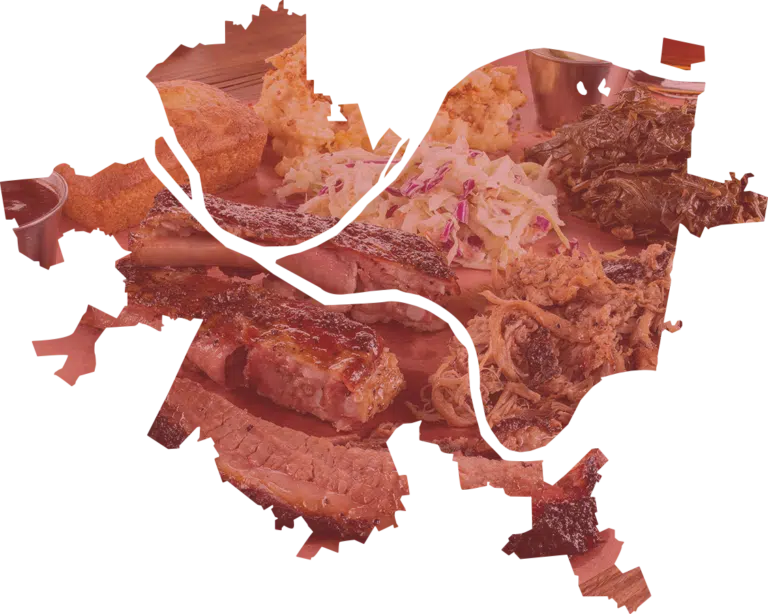

Pittsburgh has never been a one-note food city. Its dining culture has always been shaped by movement, steel-town practicality, immigrant traditions, neighborhood loyalty, and a healthy respect for comfort food. That is part of the reason the rise of the southern restaurant Pittsburgh, PA crowd feels less like a fad and more like a natural shift. Southern food fits this city unusually well. It offers warmth, richness, generosity, and a sense of occasion without requiring stiffness. In a place where people care about value and flavor in equal measure, that matters.
What is changing now is not simply that more places are serving fried chicken, shrimp and grits, biscuits, or smoked meats. It is that southern cooking in Pittsburgh is being taken seriously as a broad, nuanced category rather than a novelty. Diners are looking beyond the old shorthand of “comfort food” and paying more attention to technique, sourcing, regional identity, and hospitality style. Restaurants are responding with menus that feel more confident and more specific.
Spend enough time in dining rooms around the city and you can feel the shift. Tables are ordering shared sides again. People linger longer over brunch. Cocktail programs are built to stand up to richer dishes. Servers talk about pepper vinegar, braising liquid, sorghum, pickling spice, and cast-iron sear with the kind of detail that used to be reserved for steakhouses or modern American spots. That is usually the sign of a cuisine moving from trend to fixture.
Pittsburgh is primed for this kind of food
Southern food works here for practical reasons before it works for fashionable ones. Pittsburgh has long appreciated meals that feel substantial. A city shaped by industrial labor and long winters tends to understand the appeal of dishes that arrive hot, fragrant, and filling. Collard greens with pot liquor, braised meats, cornbread, biscuits, gravies, and slow-cooked beans do not need much explanation to land with local diners. They speak the same language as many of the city’s older food traditions, even when the ingredients and seasoning profiles differ.
There is also an emotional layer. A lot of people in Pittsburgh either have family ties to the South or know someone who does. Migration patterns over generations brought southern cooking north, often quietly, into homes and church events before it became prominent on restaurant menus. That kind of cultural familiarity makes a difference. Diners are not approaching the cuisine as something distant or exotic. For many, it already carries memory.
Restaurants benefit when a cuisine has both nostalgia and flexibility. Southern cooking can be deeply traditional one night and surprisingly polished the next. A chef can serve pimento cheese before dinner, then follow it with a refined plate of fish, rice, and stewed tomatoes that still feels rooted. That range is part of the current momentum.
The food is broad, and diners are starting to notice
One reason southern dining is trending right now is that the category itself is finally being treated with more precision. “Southern” is often used too loosely. It can mean coastal seafood, Appalachian cooking, Delta-inspired dishes, Lowcountry rice traditions, barbecue, meat-and-three cooking, Creole and Cajun influences, biscuit culture, or church-supper classics. Those are not interchangeable styles.
That distinction matters in a restaurant setting because Pittsburgh diners have become more informed. Ten years ago, many guests might have been satisfied with a generic southern label and a menu built around a few familiar comfort dishes. Now people ask sharper questions. Is the hot chicken Nashville-style or just spicy fried chicken? Is the gumbo dark and deeply developed, or is it a thin soup with sausage? Are the biscuits flaky and layered or cakey and dense? Is the barbecue smoked in-house or finished with sauce to suggest more smoke than it actually has?
Better questions force better cooking.
The strongest restaurants in this space are winning attention because they have a point of view. They are not trying to represent the entire South in one menu. They choose a lane, or at least a center of gravity, and that focus reads clearly on the plate. Diners notice when a menu feels like it came from real study instead of mood-board branding.
Brunch culture has accelerated the trend
If you want to understand why the southern restaurant Pittsburgh, PA scene feels suddenly visible, look at brunch. Southern food is built for that daypart. Chicken and waffles, biscuits with sausage gravy, smoked ham, cheesy grits, French toast, fried green tomatoes, and sweet-savory pairings all fit the occasion naturally. Brunch is where many diners first test a restaurant before committing to dinner, and southern-inspired menus tend to convert well in that setting.
Pittsburgh is especially receptive to brunch because it bridges social life and dining value. Groups want a meal that feels festive but not too formal. Southern dishes offer exactly that. They photograph well without seeming engineered for social media. They also hold up in busy service. A kitchen can execute a thoughtful brunch menu with enough volume to make the economics work, which is not always true for more delicate concepts.
There is another reason brunch matters. It broadens the audience. Not everyone wants a heavy dinner on a weekday, but plenty of people will happily line up for biscuits, crispy chicken, or shrimp and grits late on a Saturday morning. Once a place builds loyalty there, dinner traffic gets easier.
Hospitality style is part of the appeal
A restaurant trend does not rise on food alone. Service matters, room design matters, pacing matters, and southern-inspired places often have an advantage because the cuisine carries a built-in expectation of welcome. When operators do it right, the experience feels generous rather than transactional. Portions make sense. Staff explain dishes without sounding rehearsed. The room feels lively instead of precious.
That tone lands particularly well in Pittsburgh. Local diners tend to be skeptical of restaurants that feel overdesigned or overpitched. They reward places that seem confident, warm, and competent. Southern dining, at its best, creates that balance. It can be polished without becoming rigid.
The best rooms in this category also understand how to manage indulgence. Rich food needs contrast, in both flavor and atmosphere. Good lighting, sharp cocktails, crisp pickles, bright salads, and attentive timing keep a heavy menu from feeling exhausting. That kind of restraint is one of the main differences between a restaurant that people try once and a restaurant that becomes part of their rotation.
Chefs have more room to show craft
Southern food is sometimes underestimated because it is associated with comfort, and comfort can be mistaken for simplicity. In a professional kitchen, many hallmark dishes are anything but simple. Great fried chicken is an exercise in judgment from start to finish, from seasoning and brining to dredge texture, oil temperature, rest time, and the split second when the crust sets but does not darken too far. Good biscuits demand real handling skill. Gumbo, braised greens, smoked meats, pepper sauces, gravies, and stewed vegetables all expose weak technique quickly.
That is one reason chefs are leaning into the cuisine now. It gives them room to demonstrate skill without alienating guests. Diners may not describe the technical choices in formal language, but they can feel them. They know when a biscuit pulls apart in tender layers instead of crumbling dry. They know when macaroni and cheese tastes built rather than dumped together. They know when a smoked pork shoulder carries depth in the bark and not just sweetness in the sauce.
There is also a supply-side reason. Many southern dishes adapt well to local sourcing. Pennsylvania produce, pork, poultry, apples, greens, sweet corn, and beans can all find a home on these menus. Even when a restaurant is not explicitly farm-focused, that compatibility helps with seasonality and menu development.
Comfort food means something different after the past few years
The dining public changed. That is obvious in nearly every city, but it has special force in Pittsburgh, where neighborhood attachment remained strong even through difficult restaurant years. People came back to restaurants looking for pleasure, but not just spectacle. They wanted food that felt worth leaving home for. Southern cooking benefits from that shift because it offers satisfaction on several levels at once. It can be craveable, familiar, celebratory, and still chef-driven.
There is a practical reality here too. When people dine out less often, they choose more carefully. They want meals that feel complete. A plate of fried catfish with slaw and hush puppies, or braised short ribs over creamy grits, reads as a full experience. The guest is not left thinking they paid restaurant prices for a snack-sized entrée and an abstract presentation.
That does not mean every southern-style place automatically wins. Some miss by leaning too heavily on nostalgia cues without nailing execution. Others overload dishes with salt, sugar, and fat, mistaking intensity for depth. Diners are more forgiving than critics, but they still know when they are being sold a theme instead of a meal.
Social media helped, but it is not the whole story
Southern food performs well online, and it would be naïve to ignore that. Golden fried crust, glossy gravies, syrup-drizzled waffles, stacked biscuits, smoked meats, and vivid cocktails all catch attention quickly. Those visuals travel. They create buzz, especially for newer spots trying to cut through a crowded local feed.
Still, the places with staying power do not trend because they are photogenic. They trend because the food returns well in memory. The smell of a biscuit when it hits the table. The crunch of properly fried chicken. The contrast of hot sauce against creamy grits. The sharpness of pickled onions with a rich meat plate. Those are sensory experiences people talk about the next day at work, or mention to friends planning a weekend reservation.
That word-of-mouth effect remains powerful in Pittsburgh. For all the attention social platforms get, this is still a city where recommendations carry unusual weight. One trusted friend saying, “Order the greens, they actually know what they’re doing,” can matter more than a dozen polished photos.
The cuisine fits both casual and ambitious restaurants
Some food trends stall because they only work at one price point. Southern food does not have that problem. It can thrive as quick-service fried chicken, an easygoing brunch café, a neighborhood dining room, or a more refined dinner concept. That flexibility gives operators options, which is part of why more are exploring the category.
For diners, that range lowers the barrier to entry. Someone might first connect with the cuisine through a sandwich, a biscuit, or a plate lunch. Later, they might seek out a fuller dinner built around https://charlieqkvf466.image-perth.org/date-night-ideas-at-a-southern-restaurant-in-pittsburgh-pa seafood, smoked proteins, or seasonal vegetable dishes. The path is easy to follow because the cuisine is accessible at every level.
This is one area where Pittsburgh has an edge over trendier food markets. The city still values restaurants that can serve different kinds of guests well. A place that draws industry workers, families, date-night diners, and brunch groups has a much better shot at becoming durable. Southern menus often support that breadth.
What people are actually craving right now
The current interest is not just about “comfort food” in the abstract. It is about a specific bundle of desires that southern cooking handles unusually well.
- Food with deep seasoning, not just heat
- Dishes that feel generous without being sloppy
- Menus with familiar anchors and a few surprises
- Restaurants that feel lively, warm, and unpretentious
- Meals that justify the cost of dining out
Those preferences show up across demographics. Younger diners may come in for the energy, cocktails, and shareable plates. Older diners may respond to the value, straightforward service, and recognizable dishes. Families often appreciate menus where adults can eat well without forcing children into a narrow set of options. Few restaurant styles bridge those groups as smoothly.
There is a regional identity angle that should not be ignored
Pittsburgh has always negotiated its place between regions. It has Northeastern habits, Midwestern practicality, Appalachian echoes, and urban reinvention layered on top of all of it. Southern food fits into that conversation more naturally than people sometimes realize. There are overlaps in ingredient thrift, preservation methods, long-simmered dishes, and the social role of shared meals.
That does not mean Pittsburgh is turning into a southern city. It means diners and chefs are recognizing common ground. The strongest southern restaurant Pittsburgh, PA offerings usually succeed because they honor the cuisine while still speaking to where they are. They are not trying to imitate another city wholesale. They understand that local guests want authenticity, but they also want relevance.
You can see this in small details. A menu may pair southern techniques with Pennsylvania produce. A bar program may lean on bourbon and rum but still reflect local drinking habits. A chef may serve classic greens but tune the acidity or smoke level to match the rest of the menu. None of that dilutes the cuisine. If anything, it makes it more alive.
Not every place gets it right
Whenever a cuisine trends, some copycat thinking follows. That is happening here too. The weak version of the trend relies on visual shorthand: reclaimed wood, mason jars, hot honey on everything, a few token cast-iron pans, and menu language that confuses sweetness with southern identity. Those places may draw curiosity at first, but they struggle to build loyalty.
A few common mistakes keep showing up. One is overbreaded fried food that turns heavy before the plate is half finished. Another is biscuit dough handled too much, producing something dense and dry. Barbecue is especially unforgiving. If smoke work is inconsistent, no amount of sauce can hide it. Sides are another giveaway. Strong southern kitchens treat greens, beans, slaw, potatoes, and cornbread as essential, not decorative. Weak ones pour all the ambition into the entrée and treat the rest like afterthoughts.
That is actually part of why the better restaurants are gaining traction. As diners compare experiences, competence becomes easier to spot.
What to watch if you are choosing where to go
If you are deciding whether a southern-inspired restaurant is worth your time, a few signals usually help. The first is menu confidence. A focused menu tends to beat an overextended one. The second is side-dish seriousness. If the greens, grits, beans, or slaw are clearly being treated with care, that is often a good sign for the whole kitchen. The third is service pacing. Rich food needs rhythm. When appetizers, drinks, and mains arrive with good timing, the entire meal feels lighter and better judged.
One more clue is restraint. The best southern cooking does not always hit maximum richness. It uses acid, herbs, smoke, heat, and bitterness to create shape. A restaurant that understands this is much more likely to earn repeat visits.
Why the trend has staying power
Some dining trends burn bright because they offer novelty. Southern dining in Pittsburgh is trending for almost the opposite reason. It offers familiarity, but with enough range and craftsmanship to keep evolving. That makes it durable. Guests do not need a special occasion to want this food, but the right restaurant can still make the meal feel like one.
The economics are also more favorable than for some niche concepts. Core ingredients are often recognizable and approachable. Menus can support brunch, lunch, dinner, cocktails, catering, and takeout. The cuisine can be hearty in winter and still adaptable in warmer months with seafood, pickled vegetables, salads, and lighter preparations. For operators trying to build something sustainable, that versatility matters.
Most important, the trend is being carried by genuine appetite rather than pure marketing. People want food that comforts them, surprises them a little, and leaves them feeling they spent their money well. Southern restaurants, when thoughtfully run, deliver on all three.
That is why the southern restaurant Pittsburgh, PA conversation feels so active right now. It is not just about fried chicken or biscuit fever. It is about a city whose dining tastes have matured into a place where southern cooking can be appreciated for its depth, skill, and generosity. Pittsburgh diners are no longer asking whether the cuisine belongs here. They are asking who is doing it best, and that is a very different stage of the story.
Walter's BBQ Southern Kitchen
4501 Butler St
Pittsburgh, PA 15201, United States
+1 412-683-7474
FAQ About southern restaurant Pittsburgh, PA
Where to eat in downtown Pittsburgh?
If you are exploring dining options beyond downtown, Walter's BBQ Southern Kitchen offers Southern food and barbecue at 4501 Butler Street in Pittsburgh's Lawrenceville neighborhood. It is outside downtown, so allow travel time when planning your visit.
What is a must eat in Pittsburgh?
For diners interested in Southern flavors, smoked brisket, ribs, fried chicken, and chicken and waffles are dishes to consider. Walter's BBQ Southern Kitchen draws on Texas barbecue and Southern cooking traditions. Check the current menu for the dishes available during your visit.
What are some of Pittsburgh's unique restaurants?
Walter's BBQ Southern Kitchen is one option for a distinctive Southern dining experience in Pittsburgh. Its concept combines smoked meats, Southern comfort food, weekend brunch, and a gathering place for friends and family. The restaurant is located on Butler Street in Lawrenceville.